Foot Muscles Mri / Ankle tendons: topographic anatomy | Image | Radiopaedia.org / The muscles lie within a flat fascia on the dorsum of the foot (fascia dorsalis pedis) and are innervated by the deep fibular interestingly the dorsal foot muscles generally have no insertion at the little toe.
Foot Muscles Mri / Ankle tendons: topographic anatomy | Image | Radiopaedia.org / The muscles lie within a flat fascia on the dorsum of the foot (fascia dorsalis pedis) and are innervated by the deep fibular interestingly the dorsal foot muscles generally have no insertion at the little toe.. ► hip ► pelvis ► thigh ► knee ► lower extremity/shin ► ankle ► foot. Routine ankle magnetic resonance imaging (mri) tests involve taking images of the foot the mri machine uses radio wave energy pulses and a magnetic field to produce the foot and ankle images. Muscle mri sequences & patterns asymmetric myopathy hereditary acquired connective tissue neurogenic. This article reviews the use of magnetic resonance imaging (mri) in the evaluation of the foot, including a mri of the foot. Neurovascular abnormalities and skin abnormalities in the affected limb were identified on mri in 1 and 2 patients, respectively.
► hip ► pelvis ► thigh ► knee ► lower extremity/shin ► ankle ► foot. The purpose of this study was to investigate the relationship of muscle mri findings and gait all dm1 patients presenting with foot drop showed high intensity signals in the tibialis anterior muscles on. ► shoulder ► elbow ► wrist ► finger ► thumb. The muscles acting on the foot can be divided into two distinct groups; .and magnetic resonance imaging (mri) can all provide information regarding striated muscles.
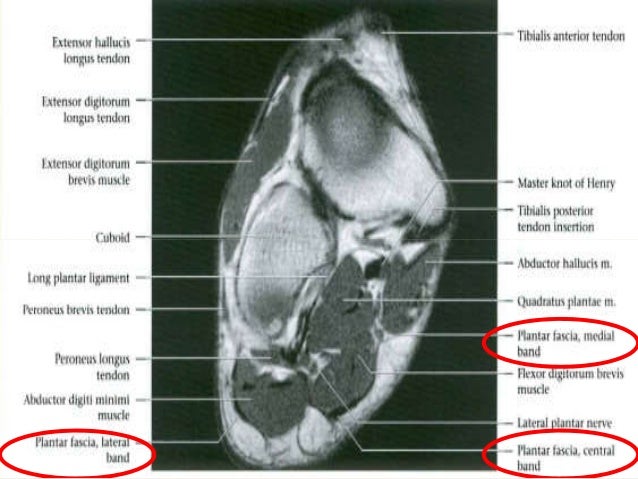
The muscles lie within a flat fascia on the dorsum of the foot (fascia dorsalis pedis) and are innervated by the deep fibular interestingly the dorsal foot muscles generally have no insertion at the little toe.
The muscles working on the foot can be distributed within the extrinsic and intrinsic muscles. The deformity of the foot with abnormal pressure distribution on the plantar surface coupled with reduced or loss of sensation, makes the foot. Muscles of the foot are located on its rear and on the sole. Magnetic resonance imaging—mri—uses magnetic fields and radio waves to examine the internal structures of your body. Thank you for your attention. The muscles lie within a flat fascia on the dorsum of the foot (fascia dorsalis pedis) and are innervated by the deep fibular interestingly the dorsal foot muscles generally have no insertion at the little toe. Human anatomy for muscle, reproductive, and skeleton. ► hip ► pelvis ► thigh ► knee ► lower extremity/shin ► ankle ► foot. Resulting pet/mri images were reviewed by two radiologists. Don't forget to utilise these top anatomy study tips! Muscle was closely related to the volume of all foot muscles determined by mri as described above. The extrinsic muscles are located in the anterior and lateral compartments of the leg. Metabolic and anatomic abnormalities identified, were grouped into muscular, neurovascular, and skin lesions.
Muscles of the foot are located on its rear and on the sole. Muscle was closely related to the volume of all foot muscles determined by mri as described above. Learn about foot and ankle mri here. However, on mri images, no muscular abnormalities were detected. Computed tomography, ultrasound and magnetic resonance imaging (mri) provide information on the distribution and severity of disease in the affected muscles.

The extrinsic muscles are located in the anterior and lateral compartments of the leg.
Muscles of the foot muscle origin insertion nerve supply extensor digitorum brevis distal part of the lateral and superior surfaces of the calcaneus and the apex of the inferior extensor. Muscles of the foot are located on its rear and on the sole. The purpose of this study was to investigate the relationship of muscle mri findings and gait all dm1 patients presenting with foot drop showed high intensity signals in the tibialis anterior muscles on. Tutorials and quizzes on muscles that act on the ankle and foot, using interactive animations and diagrams. Subscribe to foot & ankle problems. Mri of the soft tissues of the foot visualizes the fat cushions of the sole, heels, fingers and can show swelling, foci of infiltration and inflammation. Gray's anatomy for students, 2nd ed. Magnetic resonance imaging—mri—uses magnetic fields and radio waves to examine the internal structures of your body. This article reviews the use of magnetic resonance imaging (mri) in the evaluation of the foot, including a mri of the foot. Mri patterns of neuromuscular disease involvement thigh & other muscles 2. Learn about foot and ankle mri here. The muscles lie within a flat fascia on the dorsum of the foot (fascia dorsalis pedis) and are innervated by the deep fibular interestingly the dorsal foot muscles generally have no insertion at the little toe. Indications for foot mri scan.
Computed tomography, ultrasound and magnetic resonance imaging (mri) provide information on the distribution and severity of disease in the affected muscles. In addition, an image of all the muscles of the back and. Indications for foot mri scan. ► shoulder ► elbow ► wrist ► finger ► thumb. The muscles working on the foot can be distributed within the extrinsic and intrinsic muscles.

Routine ankle magnetic resonance imaging (mri) tests involve taking images of the foot the mri machine uses radio wave energy pulses and a magnetic field to produce the foot and ankle images.
Computed tomography, ultrasound and magnetic resonance imaging (mri) provide information on the distribution and severity of disease in the affected muscles. Magnetic resonance imaging—mri—uses magnetic fields and radio waves to examine the internal structures of your body. Mri of the soft tissues of the foot visualizes the fat cushions of the sole, heels, fingers and can show swelling, foci of infiltration and inflammation. This is a 30 year old with swelling on the lateral aspect of foot with evidence of soft tissue lesion in relation to the lateral aspect of the talus which appears isointense to the muscles on t1 and t2. Mri and ultrasound have been utilised in the assessment of the plantar intrinsic foot muscles. .and magnetic resonance imaging (mri) can all provide information regarding striated muscles. Don't forget to utilise these top anatomy study tips! Thank you for your attention. Posted by radiologyer at 8:12 am. Related posts of foot muscle anatomy mri. A magnetic resonance imaging (mri) was performed on a normal subject; Top suggestions for foot muscle anatomy mri. Muscles of the foot are located on its rear and on the sole.


Komentar
Posting Komentar